Get the chance to win €100 alongside trusted feeding advice, helpful tips and the latest deals and competitions straight to your inbox.

What's in this article
Choosing your birthing options
As long as your pregnancy is running smoothly and you’re fit and healthy, you are free to choose the type of birth you feel most comfortable with. Of course this all depends on what’s available at your hospital and whether your midwife agrees. Talk through the birthing options available to you with your midwife and birth partner. Remember that the type of delivery you choose is not cast in stone. You can always change your mind.
Hospital births
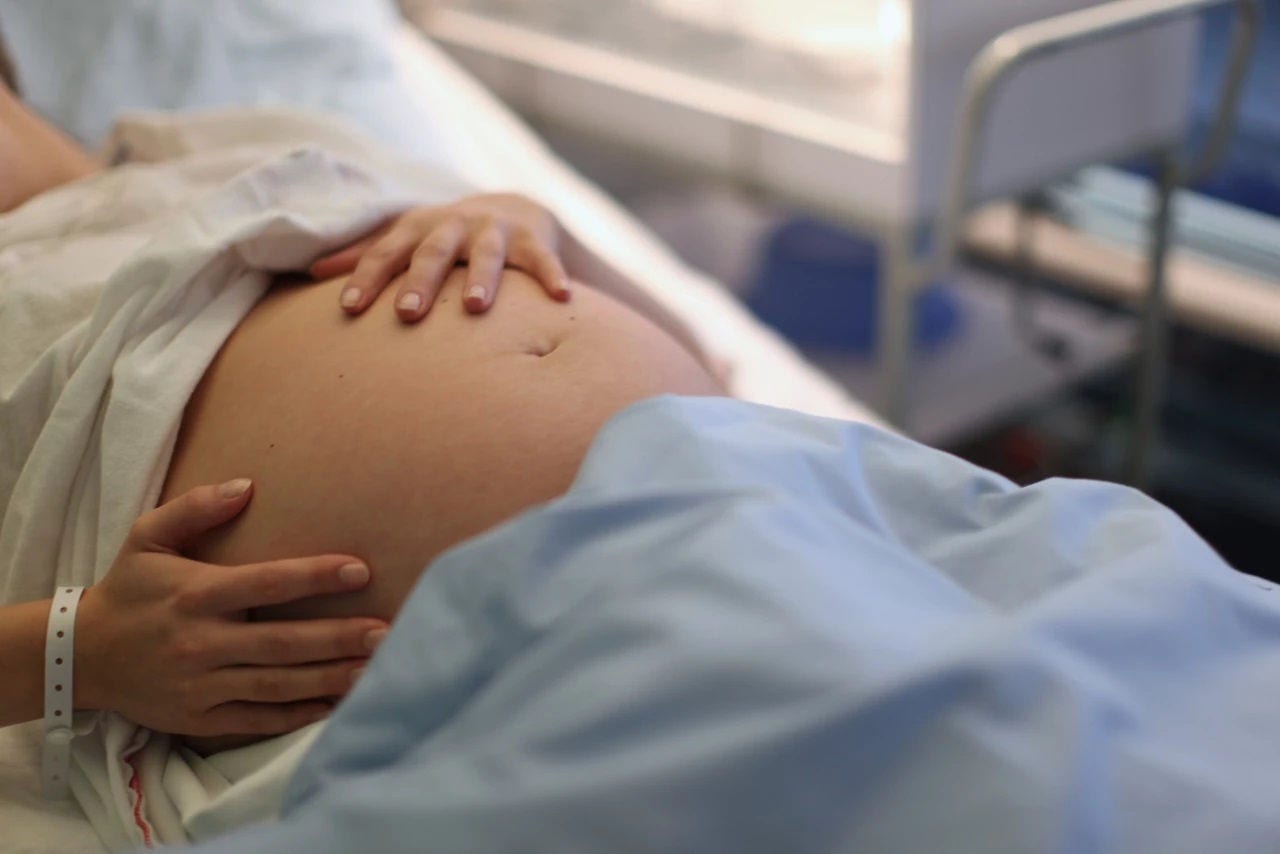
The benefit of having a hospital birth is that you’re in a place literally packed with expertise and facilities. You’ll have the full range of pain relief options, immediate caesarean section if needed and emergency care available should things become tricky.
Whilst hospitals have set procedures, you have the right to ask to be treated in a certain way. You can choose whether or not to have certain aspects of your labour care including foetal monitoring, having your waters broken and drugs.
Talk to your healthcare professional about how your chosen hospital deals with childbirth. If you hear anything you’re not sure about or don’t like, just say so. You can then talk it through, agree on what you would feel more comfortable with and put it all into your birth plan - make sure your birth partner is aware of your decisions too.

Get the chance to win €100 alongside trusted feeding advice, helpful tips and the latest deals and competitions straight to your inbox.
By registering you're confirming you agree with our T.Cs and Privacy Policy. You can opt out anytime.
Home births
Whilst not every health professional is convinced that home birth is safe, the evidence is clear that it is for most women. Some mums prefer giving birth at home as it is a relaxed and familiar environment. Home births are only suitable for low risk pregnancies.
Planning for your home birth
As well as the normal list of things you’ll need for labour, having a home birth means you should also think about your house. Your midwife will guide you, but here’s a list to start you off:
- You need to choose a room which has access to water, is big enough for you and your midwife to move around in and is warm.
- You’ll need a large rubber mat to cover the floor and some old sheets that you don’t mind getting messy.
- You can even hire a birthing pool if you wish, but make sure you have enough room to get in and out easily and check that your house is suitable as the weight of a birthing pool can sometimes cause problems. You’ll also need lots of sheets to soak up the spills.
Pain relief is limited in home births, you can have gas and air and sometimes pethidine can be administered if you have planned it in advance. You won’t be able to have an epidural though.
If there are complications then you will be transferred to hospital. Your midwife will take control, arranging the transfer by ambulance, calling ahead to the hospital and looking after you and your baby in the meantime. You should think about having an emergency bag ready just in case.
Water birth
A water birth will only be available if you have a low risk pregnancy where there have been no complications. It is seen as far less stressful for a baby as they are born into an environment that is quite like the one they were growing in. Equally for mum, it can reduce stress and the need for pain relief. There’s no need to panic about your baby’s breathing either; it doesn't begin until he or she is exposed to the air, so the safety risks are minimal.
Some hospitals can provide a bath, shower or pool if you like the idea of using water during your labour, so check in advance what your hospital offers. If you plan to have your baby at home talk to your healthcare professional.

Related content


Pregnancy topics




Any more questions?
Our specialist baby advisors and experienced mums are here to talk and ready to help whenever you need them.
Email us
Send us an email (8am-8pm Mon-Fri, 10am-5pm Sat)
Call Us
Call us on 1800 570 570 (8am-8pm Mon-Fri, 10-5pm Sat)
FAQs
For all the latest information