
Get the chance to win €100 alongside trusted feeding advice, helpful tips and the latest deals and competitions straight to your inbox.

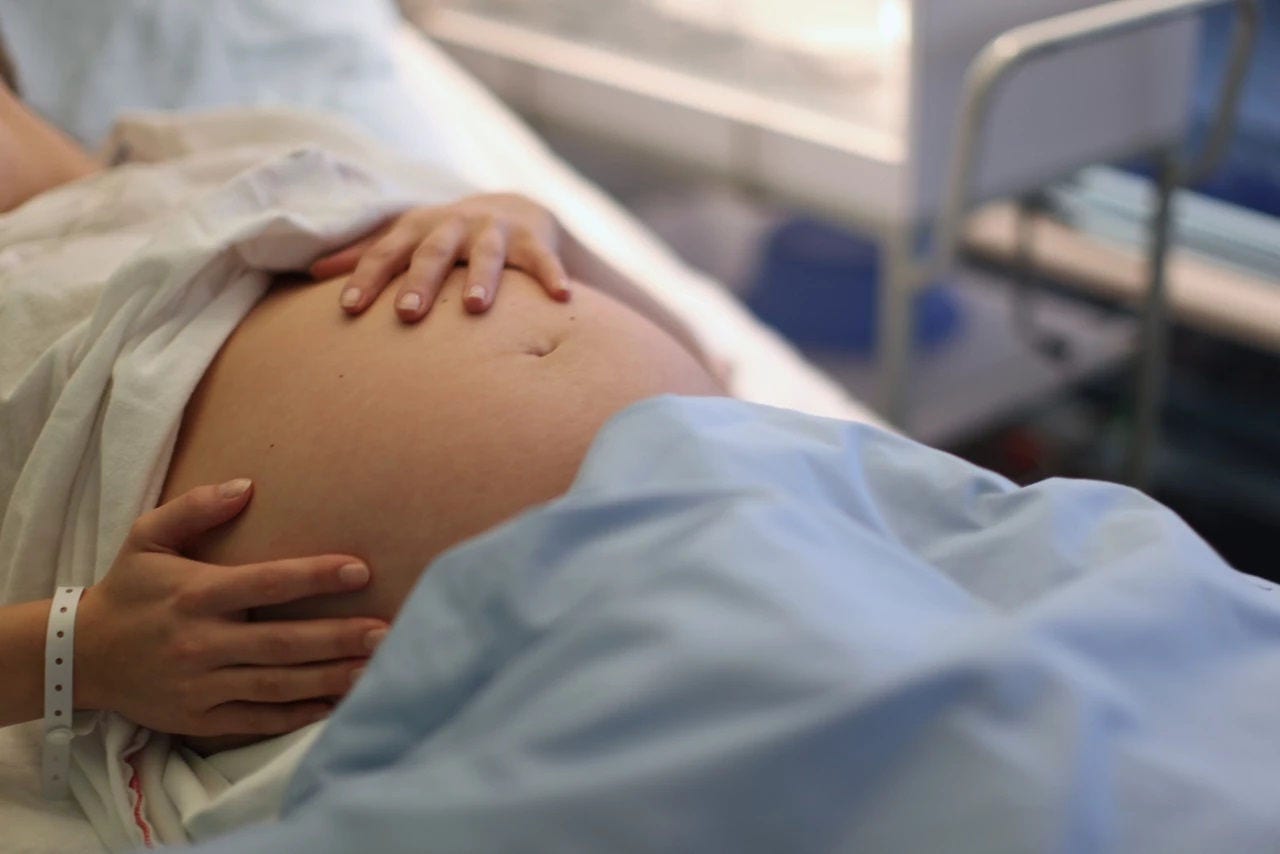
At 26 weeks pregnant, your baby’s senses are developing, ready to help them experience the world around them when they arrive in around 3 months’ time. Meanwhile, you might be noticing symptoms and signs like a growing bump and Braxton Hicks at 26 weeks.
Here you’ll find everything you need to know about what’s going on for you and your baby at 26 weeks pregnant, including things to look out for and when to get in touch with your midwife or GP.
What is 26 weeks pregnant in months?
At 26 weeks, you’re roughly six and a half months pregnant and just two weeks away from entering your third and final trimester.
Your baby’s development at 26 weeks
How big is your baby at 26 weeks?
Your baby’s now around the size of a cucumber, measuring just under 36cm from their head to their heel1.

Your baby’s developing senses
Your baby can now open their eyes, and might be starting to learn how to blink1. They can’t focus their vision yet (this will happen at around week 30), and their eyesight will keep developing until they’re born and for some time after2.
Your baby’s hearing has been developing for a while now. They’ve been able to hear your voice since you were around 16 weeks pregnant, and they’ve been starting to recognise both your voice and the sound of other familiar voices, too3.
Your body at 26 weeks
As your baby and bump grow, your centre of gravity will change and you might be feeling a little clumsy or off-balance at 26 weeks pregnant. It can help to give yourself plenty of time to get where you need to go, and get plenty of rest when you can1.
Your growing bump
Your midwife or doctor will continue to measure your belly size at 26 weeks pregnant and beyond to check how your baby’s growing throughout your second and third trimesters4.
While your bump grows, you might notice some stretch marks on your stomach5 as well as a dark line down the centre called the linea nigra6. As your ligaments stretch, you might get some jabbing pains in your side called round ligament pains7. They can be uncomfortable, but they’re completely harmless for you and your baby.
Exercising at 26 weeks
It might be tougher to stay active now as your baby grows, especially if you’re feeling tired or uncoordinated. But even gentle exercise can be great for your mental and physical health8.
It’s important not to exhaust yourself, but you could try9:
- Walking
- Swimming
- Prenatal yoga
- Pelvic floor and abdominal exercises
Common pregnancy symptoms at 26 weeks
As you head towards your third trimester, you might be experiencing some of these 26 weeks pregnant symptoms.
Back pain
As your baby grows, changes in your body can put extra pressure on your lower back and give you back pain10.
There are some things you can do to try and ease back pain, like10:
- Keeping your back as straight as you can when you’re sitting or standing
- Not standing up for too long
- Supporting your bump with your hands while you’re standing up
- Wearing comfy shoes
- Getting as much rest as you can
- Doing gentle stretches and pelvic floor muscle exercises
Braxton Hicks at 26 weeks
As you move towards the end of your pregnancy, you might have ‘practice contractions’, also called Braxton Hicks contractions. Braxton Hicks can be uncomfortable, but they’re not usually painful. Unlike real contractions, they don’t last very long, and they don’t get stronger or more frequent11.
Braxton Hicks can come as quite a shock, especially if this is your first pregnancy and you’re not sure what to expect from the real thing. If you’re in any doubt, you can call a maternity hospital for some reassurance.
Indigestion
There are a few different reasons why indigestion is so common during pregnancy, including your hormones and your baby pressing against your stomach as they grow12.
You might get symptoms like12:
- A burning feeling in your chest
- Feeling bloated
- Burping
- Feeling or being sick
- Acid reflux
You can try to control your symptoms by12:
- Eating smaller meals more often to avoid feeling very full
- Staying hydrated to help food move along your digestive tract more easily
- Sitting up straight during and after eating
- Avoiding rich, spicy or fatty foods
- Propping your head and shoulders up in bed
Feeling tired
You’re growing a whole new person right now, so it’s no wonder you feel tired! You might also be finding it harder to get to sleep now that your bump is getting bigger, and you could find yourself nipping to the loo a lot at night13.
Get as much rest as you can and remember it’s okay to accept support from friends and family. You can also try boosting your energy by eating a healthy, balanced diet and getting some gentle exercise13.
Bleeding gums
Sore, swollen gums are one of the side effects of your changing pregnancy hormones, which can lead to a buildup of plaque. It’s important to take good care of your teeth during pregnancy, including brushing twice a day (you can use a soft-bristled brush if that’s more comfortable) and flossing daily14.
It’s also a good idea to go to the dentist at least once while you’re pregnant to help catch any signs of gum disease. You’re entitled to free NHS dental care and prescriptions throughout your pregnancy and until your baby is 1 year old. If you haven’t already been given a form to apply for an exemption certificate, ask your midwife so you can get it as soon as possible.
Leg cramps
Leg cramps in pregnancy can feel like painful spasms in your calves and feet, which can last around 10 minutes. They often happen at night, and are most common in your second and third trimesters15.
If you get a leg cramp, you can try rubbing your muscles hard and stretching your toes upwards towards your calf. Staying active and drinking plenty of water can also help to prevent cramps15.
Things to think about at 26 weeks pregnant
Your maternity rights
By now, you’ve probably let people at work know that you’re pregnant. Your maternity rights mean that you’re entitled to a risk assessment to make sure your work environment is safe. You can also go to antenatal classes during paid work time1.
You can find everything else you need to know about your maternity rights here.
Antenatal classes
You don’t have to go to antenatal classes, but they can be a great way of meeting other parents-to-be on the same journey and learning about what to expect during labour and beyond.
Antenatal classes usually start around 8-10 weeks before your baby is due16, so if you’d like to sign up, now is probably a good time to find a class near you and book on.
Whooping cough vaccine
If your baby develops whooping cough, it can lead to serious complications. But you can reduce their risk by getting the whooping cough vaccine while you’re pregnant. You can have the vaccine any time from 16 weeks, so there’s still time to make sure your baby’s protected if you haven’t had it yet at 26 weeks pregnant. It is recommended that you have the vaccine before 32 weeks to give the best protection for your baby but you can still access it later if you miss out17.
Contraception
Getting pregnant again is probably the very last thing you want to think about right now, but falling pregnant very quickly after having a baby is more common than you’d think (and having two pregnancies too close together can cause problems).
That’s why it’s a good idea to make a plan now for what contraception you’re going to use once your baby is born. You can speak to your midwife or GP to help you decide what will work best for you if that’s something you’d like to do1.
When to contact your midwife or doctor
If you notice any unusual symptoms at 26 weeks pregnant, you should get in touch with your midwife, doctor, or maternity unit. Here are some things to watch out for that should prompt a call straight away.
If your baby stops moving
From around 16 to 24 weeks pregnant, all the way up until you give birth, you should be able to feel your baby’s movements. If you still haven’t felt your baby moving, or if your baby’s movements slow down or stop, get in touch with your midwife or hospital18.
Stomach pain
Stomach pain or cramps in pregnancy can be harmless, caused by things like constipation, trapped wind, or round ligament pains. But sometimes, stomach pain can be something more serious.
Call your maternity unit straight away if you have stomach pain and19:
- Bleeding from your vagina
- Lower back pain
- Vaginal discharge that’s unusual for you
- Cloudy, pink, red or brown pee
- Pain when you pee
Signs of preterm labour
Premature or preterm labour is when you go into labour before you reach 37 weeks pregnant20.
It’s important to go straight to your closest maternity unit if you have these symptoms at less than 37 weeks20:
- Contractions that are frequent and get stronger as time goes on
- Cramps or stomach pain
- Fluid gushing or leaking from your vagina (which could be your waters breaking)
- A mucus plug (also called a ‘show’) coming away from your vagina
- Bleeding from your vagina
- Vaginal discharge that’s unusual for you
- Backache that feels unusual
- A feeling of pressure, as though your baby is pushing down
Sudden swelling and severe headache
Pre-eclampsia is a condition that affects some pregnant women. While most cases are mild, pre-eclampsia can cause complications for you and your baby if it’s not treated21.
If you notice any of these symptoms of pre-eclampsia, seek medical advice straight away21:
- A severe headache
- Swelling in your hands, feet or face that comes on suddenly
- Blurred or flashing vision
- Being sick
- Pain just below your ribs
- NHS Start for Life. Week 26 [online] Available at https://www.nhs.uk/start-for-life/pregnancy/week-by-week-guide-to-pregnancy/2nd-trimester/week-26/ [Accessed August 2025]
- NHS Start for Life. Week 30 [online] Available at https://www.nhs.uk/start-for-life/pregnancy/week-by-week-guide-to-pregnancy/3rd-trimester/week-30/ [Accessed August 2025]
- NHS Just One Norfolk. Communication during pregnancy [online] Available at https://www.justonenorfolk.nhs.uk/child-development-additional-needs/talk-and-play/communication-during-pregnancy/ [Accessed August 2025]
- NHS (2023). Your antenatal appointments [online] Available at https://www.nhs.uk/pregnancy/your-pregnancy-care/your-antenatal-appointments/ [Accessed August 2025]
- NHS (2022). Stretch marks in pregnancy [online] Available at https://www.nhs.uk/pregnancy/related-conditions/common-symptoms/stretch-marks/ [Accessed August 2025]
- NHS Start for Life. Week 18 [online] Available at https://www.nhs.uk/start-for-life/pregnancy/week-by-week-guide-to-pregnancy/2nd-trimester/week-18/ [Accessed August 2025]
- HSE (2023). Round ligament pain in pregnancy [online] Available at https://www2.hse.ie/conditions/round-ligament-pain-pregnancy/ [Accessed August 2025]
- NHS (2023). Exercise in pregnancy [online] Available at https://www.nhs.uk/pregnancy/keeping-well/exercise/ [Accessed August 2025]
- NHS Start for Life. Exercising in pregnancy [online] Available at https://www.nhs.uk/start-for-life/pregnancy/exercising-in-pregnancy/ [Accessed August 2025]
- HSE (2024). Back pain in pregnancy [online] Available at https://www2.hse.ie/conditions/back-pain/back-pain-in-pregnancy/ [Accessed August 2025]
- NHS (2023). Signs that labour has begun [online] Available at https://www.nhs.uk/pregnancy/labour-and-birth/signs-of-labour/signs-that-labour-has-begun/ [Accessed August 2025]
- NHS (2023). Indigestion and heartburn in pregnancy [online] Available at https://www.nhs.uk/pregnancy/related-conditions/common-symptoms/indigestion-and-heartburn/ [Accessed August 2025]
- HSE (2022). Tiredness in later pregnancy [online] Available at https://www2.hse.ie/conditions/tiredness-fatigue-pregnancy/later-pregnancy/ [Accessed August 2025]
- NHS (2022). Bleeding gums in pregnancy [online] Available at https://www.nhs.uk/pregnancy/related-conditions/common-symptoms/bleeding-gums/ [Accessed August 2025]
- HSE (2023). Leg cramps during pregnancy [online] Available at https://www2.hse.ie/conditions/leg-cramps-pregnancy/ [Accessed August 2025]
- NHS (2024). Antenatal classes [online] Available at https://www.nhs.uk/pregnancy/labour-and-birth/preparing-for-the-birth/antenatal-classes/ [Accessed August 2025]
- NHS (2023). Whooping cough vaccination in pregnancy [online] Available at https://www.nhs.uk/pregnancy/keeping-well/whooping-cough-vaccination/ [Accessed August 2025]
- HSE (2023). Your baby's movements [online] Available at https://www2.hse.ie/pregnancy-birth/baby-development-pregnancy-stages/baby-development/babys-movements/ [Accessed August 2025]
- NHS (2024). Stomach pain in pregnancy [online] Available at https://www.nhs.uk/pregnancy/related-conditions/common-symptoms/stomach-pain/ [Accessed August 2024]
- HSE (2025). Signs you're going into premature labour [online] Available at https://www2.hse.ie/pregnancy-birth/labour/premature-labour/signs/ [Accessed August 2025]
- NHS (2021). Pre-eclampsia [online] Available at https://www.nhs.uk/conditions/pre-eclampsia/ [Accessed August 2025]
Last reviewed: November 2026
More from pregnancy


Pregnancy topics




Any more questions?
Our specialist baby advisors and experienced mums are here to talk and ready to help whenever you need them.
Email us
Send us an email (8am-8pm Mon-Fri, 10am-5pm Sat)
Call Us
Call us on 1800 570 570 (8am-8pm Mon-Fri, 10-5pm Sat)
FAQs
For all the latest information