Get the chance to win €100 alongside trusted feeding advice, helpful tips and the latest deals and competitions straight to your inbox.

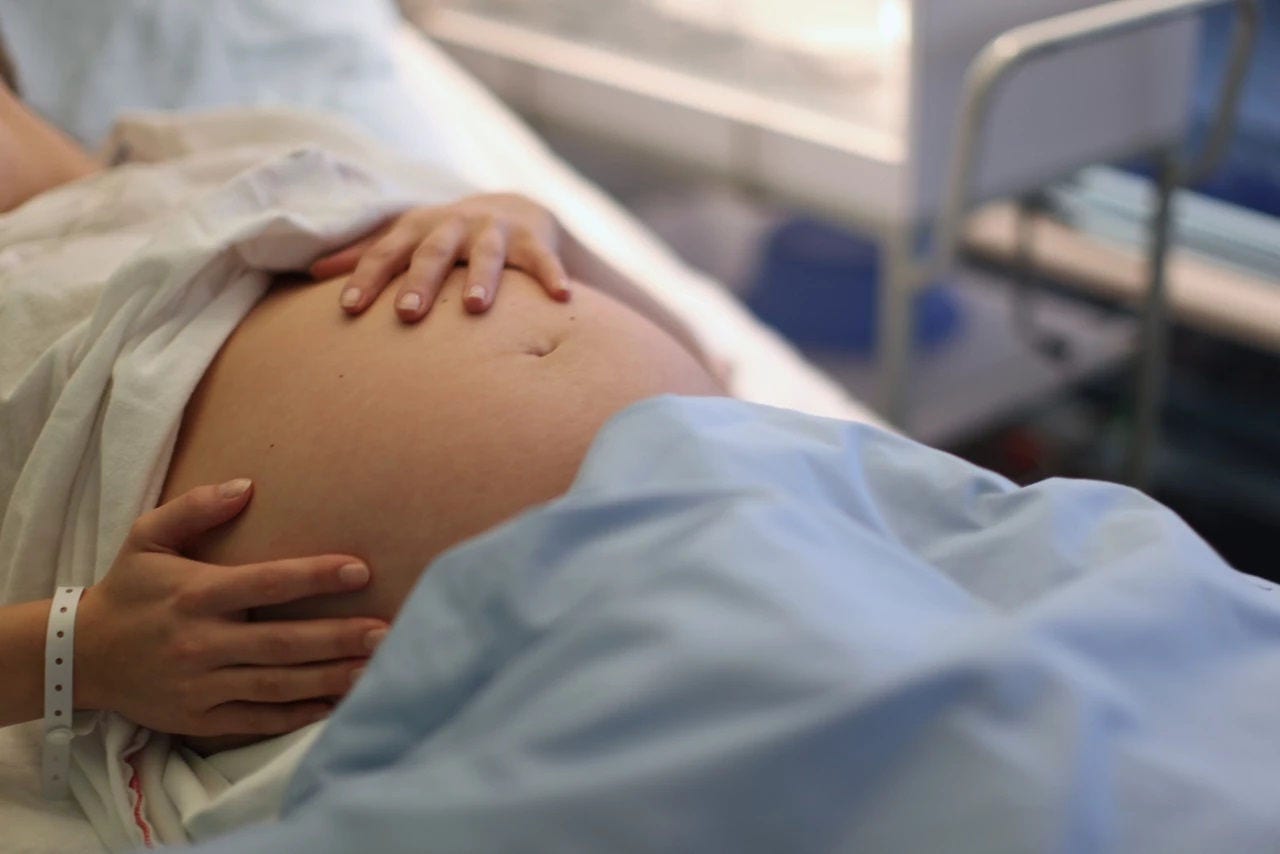
At 15 weeks pregnant, you might not believe it, but you’re already a few weeks into your second trimester. Your baby’s growing and developing every day, and soon you might be able to feel their tiny movements for the first time. You might also notice your 15-week baby bump making an appearance as your baby grows along with your womb.
Here we’re covering everything that’s happening for you and your baby at 15 weeks, including common symptoms and tips for a healthy pregnancy.
Reviewed by Sammy, a registered midwife with a background in neonatal nursing, dedicated to providing compassionate, evidence based care to women and families throughout pregnancy, birth and the postnatal period.
Your baby’s development at 15 weeks
Your baby is changing and developing every day. Around now, they’re growing a layer of soft hair called ‘lanugo’ all over their body, which helps protect their delicate skin while they’re in the womb1. Towards the end of your pregnancy, they’ll shed the lanugo ready for the outside world2.
How big is your baby at 15 weeks?
At 15 weeks pregnant, your baby’s size is about that of an apple at around 10cm (or 4 inches) from their head to their bottom1.

What’s your baby doing in there?
It’s normal to wonder what your baby’s up to while they’re in the womb. At 15 weeks pregnant, they’re still not doing a whole lot, but they are laying down important foundations and senses that they’ll need as they become a little more active.
For example, your baby’s sense of hearing is developing now, and they might be able to hear sounds like your heartbeat and voice1. Talking to your baby is a great way to bond before they arrive, and your voice will soon become their favourite sound.
Speaking of developing senses, your baby’s eyes are also becoming sensitive to light at 15 weeks. Even though their eyes are still closed right now, they might sense bright lights from outside your 15-week baby bump3.
Common pregnancy symptoms at 15 weeks
Many expectant mums find that the symptoms they experienced in their first trimester start to ease a little in the second trimester, and that they get some energy back. But it’s normal to experience pregnancy symptoms at 15 weeks still.
In particular, changes in your hormones and body during pregnancy can cause aches and pains at 15 weeks.
Leg cramps
It’s common to get leg cramps during pregnancy, especially at night, but no one’s really sure why. Some things that might bring on cramps are changes to your circulation or tiredness in your calf muscles4.
If you feel a painful spasm in your calves or feet, try pulling your toes up towards your shins to stretch them out, or giving the muscles a hard rub4.
Backache
At 15 weeks pregnant, your hormones, posture, and joint changes can all contribute to a painful ache in your lower back5.
To ease the ache, you can try5:
- Sitting or standing up straight (avoid arching your back)
- Tucking your hands under your bump to support it
- Keeping your weight even between your legs
- Wearing comfortable shoes
Round ligament pain
As your baby and 15-weeks-pregnant bump grow, the round ligaments in your lower tummy stretch. Sometimes, this can cause a sharp stabbing pain in one side of your stomach, known as ‘round ligament pain’6.
Round ligament pains aren’t harmful to you or your baby, but they can be uncomfortable. You might be able to help reduce them by squeezing your stomach muscles when you move and bending your hips before you do things like sneeze, cough, or laugh6.
Headaches
Lots of things can cause headaches in pregnancy, like hormonal changes, lack of sleep, or caffeine withdrawal7. Again, while these headaches can be uncomfortable or painful for you, they’re usually harmless for your baby.
If you do get headaches during pregnancy, you can try7:
- Resting in a dark, quiet room
- Using hot or cold packs on your head or neck
- Having a massage
- Taking a warm bath or shower
If you’ve tried these natural remedies and you're still struggling, paracetamol is usually safe to take during pregnancy7. But it’s always worth checking with your GP or midwife before taking any medicine while pregnant.
A stuffy nose and nosebleeds
Your pregnancy hormones can cause something called ‘non-allergic rhinitis’, which is basically a blocked or runny nose8. This isn’t harmful, but it can definitely be annoying! If a stuffy nose is bothering you, talk to your pharmacist about pregnancy-safe remedies, like antihistamines or saltwater nasal sprays, to help ease your symptoms.
As well as a blocked nose, you might also get nosebleeds more often during pregnancy, caused by an increased amount of blood moving around your body9. If you get a nosebleed, you should:
- Lean forward and breathe through your mouth
- Pinch your nose just about your nostrils and hold the pressure for 10-15 minutes
- Avoid lying down
Once the bleeding has stopped, try not to blow your nose, bend down, or do anything strenuous for at least 24 hours9.
Your body and bump at 15 weeks
Your 15-weeks-pregnant bump and body might be changing now that you’re a little way into your second trimester. Here’s what you can expect.
Weight gain
Most of the weight you’ll gain during pregnancy will happen after week 20, so you still have a little way to go yet before you’ll start noticing much of a difference10.
Weight gain during pregnancy happens for a few different reasons, including the weight of your growing baby, your placenta, and your body storing fat to get ready to produce breast milk10.
Gaining weight is completely normal and an important part of a healthy pregnancy. If you have any concerns about this, you can always talk to your midwife.
Starting to show
Now that you’re in your second trimester, your 15-week baby bump might be starting to show (although it might have already made an appearance if this isn’t your first pregnancy!)11.
If you haven’t already, this might mean you want to start telling people that you’re expecting a baby, as they’ll probably start to notice soon! This is also a good time to think about finding some comfy maternity clothes as that 15-week-pregnant bump will only get bigger from here.
Changes in your skin
You could start to notice brown patches or darkened skin on your face during pregnancy. This is called chloasma or ‘the mask of pregnancy’1. It’s completely normal hyperpigmentation, which will likely fade on its own once your baby arrives.
Prenatal care at 15 weeks pregnant
By now, you’ve hopefully had your first ultrasound scan (sometimes called your dating or 12-week scan) and experienced the magical moment when you see your baby for the first time12.
Optional genetic screening
Your 12-week scan appointment will have also included the option to have a combined test for genetic conditions like Down’s syndrome12. If you had the test and the results showed that your baby has a higher chance of any of the conditions, you’ll be offered another appointment to talk about what that means for your family. You’ll also be offered further tests if you’d like to have them13.
What to expect at your next appointment
Your next scheduled prenatal appointment will happen when you’re around 16 weeks pregnant14. At that appointment, your midwife will:
- Talk to you about your next ultrasound, which will happen when you’re 18-21 weeks pregnant
- Discuss the results of any screening tests you’ve had
- Check your blood pressure and test your pee for protein
- Offer a carbon monoxide test15
- Answer any questions you might have at this point in your pregnancy
Tips for a healthy pregnancy at 15 weeks
Enjoying a balanced diet
It’s important to look after your body and your baby at 15 weeks by eating a balanced diet. Eating well will help you get all the nutrients you and your baby need for a healthy pregnancy16.
You might have heard the phrase ‘eating for two’ when it comes to pregnancy, but the truth is that you won’t need to eat any more than usual until your third trimester. Just aim for a good balance of different foods, such as fruits and vegetables, carbohydrates, protein, and dairy16.

Staying active
It’s a good idea to stay active during pregnancy to help you adapt to the changes that will happen in your body, and to get ready for labour17. But that doesn’t mean you should start running marathons – especially if you’re not a seasoned runner already.
The key is to stay active without wearing yourself out completely or risking injury. Some good options include yoga (make sure your instructor knows you’re pregnant), swimming, and daily walks.
Tips for partners
If your partner is the one who’s pregnant, it’s natural to feel a little helpless at this time. They’re busy creating a whole human (and having all the emotional and physical symptoms that come with that), and you might feel like there’s not much you can do to help.
But there are always things you can do, like:
- Running them a nice bath
- Taking on a larger share of the household chores to give them time to rest
- Cooking healthy, nutritious meals
- Simply being there to listen when they need it
- NHS Best Start in Life. Week 15 [online] Available at https://www.nhs.uk/best-start-in-life/pregnancy/week-by-week-guide-to-pregnancy/2nd-trimester/week-15/ [Accessed October 2025]
- Verhave BL, Nassereddin A, Lappin SL. Embryology, Lanugo. [Updated 2022 Oct 10]. In: StatPearls [Internet]. Treasure Island (FL): StatPearls Publishing; 2025 Jan-. Available from: https://www.ncbi.nlm.nih.gov/books/NBK526092/
- HSE (2022). 13 to 16 weeks pregnant [online] Available at https://www2.hse.ie/pregnancy-birth/baby-development-pregnancy-stages/stages/13-16-weeks/ [Accessed October 2025]
- HSE (2023). Leg cramps during pregnancy [online] Available at https://www2.hse.ie/conditions/leg-cramps-pregnancy/ [Accessed October 2025]
- HSE (2024). Back pain in pregnancy [online] Available at https://www2.hse.ie/conditions/back-pain/back-pain-in-pregnancy/ [Accessed October 2025]
- HSE (2023). Round ligament pain in pregnancy [online] Available at https://www2.hse.ie/conditions/round-ligament-pain-pregnancy/ [Accessed Octoeber 2025]
- HSE (2023). Headaches in pregnancy [online] Available at https://www2.hse.ie/conditions/headaches-pregnancy/ [Accessed October 2025]
- NHS (2022). Non-allergic rhinitis [online] Available at https://www.nhs.uk/conditions/non-allergic-rhinitis/ [Accessed October 2025]
- NHS (2024). Nosebleeds in pregnancy [online] Available at https://www.nhs.uk/pregnancy/related-conditions/common-symptoms/nosebleeds/ [Accessed October 2025]
- NHS (2022). Weight gain in pregnancy [online] Available at https://www.nhs.uk/pregnancy/related-conditions/common-symptoms/weight-gain/ [Accessed October 2025]
- NHS Best Start in Life. Week 4 [online] Available at https://www.nhs.uk/best-start-in-life/pregnancy/week-by-week-guide-to-pregnancy/1st-trimester/week-4/ [Accessed October 2025]
- NHS (2023). 12-week scan [online] Available at https://www.nhs.uk/pregnancy/your-pregnancy-care/12-week-scan/ [Accessed October 2025]
- NHS (2025). Screening for Down's syndrome. Edwards' syndrome, and Patau's syndrome [online] Available at https://www.nhs.uk/pregnancy/your-pregnancy-care/screening-for-downs-edwards-pataus-syndrome/ [Accessed October 2025]
- NHS (2023). Your antenatal appointments [online] Available at https://www.nhs.uk/pregnancy/your-pregnancy-care/your-antenatal-appointments/ [Accessed October 2025]
- GOV.UK (2025). Carbon monoxide (CO) antenatal checks algorithm. [online] Available at: https://www.gov.uk/government/publications/carbon-monoxide-co-antenatal-checks-algorithm-for-midwives/carbon-monoxide-co-antenatal-checks-algorithm.
- NHS (2023). Have a healthy diet in pregnancy [online] Available at https://www.nhs.uk/pregnancy/keeping-well/have-a-healthy-diet/ [Accessed October 2025]
- NHS (2023). Exercise in pregnancy [online] Available at https://www.nhs.uk/pregnancy/keeping-well/exercise/ [Accessed October 2025]
Last reviewed: November 2026
Reviewed by Nutricia’s Medical and Scientific Affairs Team

Get the chance to win €100 alongside trusted feeding advice, helpful tips and the latest deals and competitions straight to your inbox.
By registering you're confirming you agree with our T.Cs and Privacy Policy. You can opt out anytime.
More from pregnancy


Pregnancy topics



Any more questions?
Our specialist baby advisors and experienced mums are here to talk and ready to help whenever you need them.
Email us
Send us an email (8am-8pm Mon-Fri, 10am-5pm Sat)
Call Us
Call us on 1800 570 570 (8am-8pm Mon-Fri, 10-5pm Sat)
FAQs
For all the latest information