Get the chance to win €100 alongside trusted feeding advice, helpful tips and the latest deals and competitions straight to your inbox.

At 16 weeks pregnant, you’re quite a way into your second trimester. Your baby’s doing some serious growing, which might mean that your bump is becoming more noticeable, and you’re starting to gain weight.
Let’s see what else you can expect at this point in your pregnancy journey.
Reviewed by Sammy, a registered midwife with a background in neonatal nursing, dedicated to providing compassionate, evidence based care to women and families throughout pregnancy, birth and the postnatal period.
How many months is 16 weeks pregnant
16 weeks is 4 months pregnant, so you’re just short of halfway through your pregnancy. Your baby still has plenty of growing to do before they’re ready to join the outside world!
Your baby’s development at 16 weeks
How big is your baby at 16 weeks?
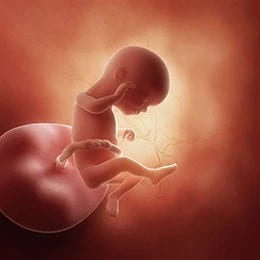
Your baby is now about the size of an avocado, measuring about 12cm from the top of their head to their bottom. At 16 weeks pregnant, they have another growth spurt coming just around the corner1.
Your baby’s milestones this week
At four months pregnant, your baby is going through some major developmental changes.
Their nervous system is developing, which means they’re starting to move their arms and legs, and even form fists. You should be able to feel their tiny kicks and punches very soon1,2.
Your baby’s also beginning to make faces like smiling and frowning, but their expressions are still random at the moment until they develop more muscle control1.
Your body at 16 weeks
Weird and wonderful pregnancy cravings
Many women say that they get pregnancy food cravings, ranging from hot, spicy curries to ripe, juicy peaches – we’ve all heard the stories about pickles and ice cream!
You should be able to indulge your pregnancy cravings without too much concern, although your partner, friends and family may not appreciate being woken in the night to be told to go out and buy your food craving of choice! Just try and make sure you’re eating a healthy, balanced diet too.
Some women suffer from ‘pica’, a craving for non-food, including clay, coal, washing powder and chalk. Needless to say, it’s best to resist these urges! If you feel you have these cravings, be sure to discuss them with your midwife, as they could indicate low iron levels3.
Your 16-week baby bump
Somewhere around the start of your second trimester, you might have noticed a small baby bump starting to develop4. By 16 weeks pregnant, your bump and baby have continued to grow, and your pregnancy might now be visible to other people.
Soon, you may find that you’re more comfortable in maternity clothing to accommodate the size of your growing baby bump. You can buy maternity clothes new, find them pre-loved, or if you’re lucky, you might have a friend or relative at the ready to pass on some hand-me-downs.
Weight gain: what’s ‘normal’?
Weight gain is a normal part of pregnancy – you’re growing a whole new person inside of you after all! Your womb, baby, and placenta all contribute to the extra weight, as well as your body storing fat ready to support breastfeeding5,6.
You can expect to gain 0.5 kg (or just over 1 lb) per week from the start of your second trimester all the way through until your baby’s born5.
If you’re worried that you’re gaining too much or too little weight, talk to your midwife. They’ll be able to give you more personalised advice about eating a healthy, balanced diet and exercising while pregnant.
Common symptoms at 16 weeks pregnant
Have a look at some of the 16 weeks pregnant symptoms you might be experiencing.
Round ligament pain
As your 16 weeks pregnant bump grows, you could start to get jabbing pains in the sides of your lower stomach. These are called round ligament pains, because they’re caused by the ligaments that support your bump stretching as it gets bigger7.
You can ease round ligament pain by7:
- Sitting and standing up straight (not arching your back)
- Squeezing your stomach muscles in when you stand up or roll over
- Bending your hips before sneezing, laughing or coughing.
Backaches
Your pregnancy hormones and growing bump can also put more pressure on your lower back and lead to back pain during pregnancy8.
You can try to reduce pack pain by8:
- Not standing up for too long
- Supporting your bump with your hands if you do have to stand for a little while
- Wearing comfortable, supportive shoes
- Keeping your back straight when you’re standing or sitting
- Staying active (stretching can really help)
- Getting plenty of sleep
Constipation
You might feel constipated more often during pregnancy, which can make you feel sick and bloated and cause stomach aches.
The best thing you can do is get plenty of high-fibre foods in your diet, like fruit, veg, whole grains, beans and lentils. Exercising regularly, staying hydrated, and avoiding iron tablets unless you need them can also help keep things regular1.
The ‘pregnancy glow’
You’ve probably heard that pregnant women ‘glow’. Behind the scenes, your pregnancy hormones can make your skin look dewier, and you might have flushed, rosy cheeks from the increase in blood that your body’s pumping during pregnancy9.
It might be that you’re not feeling particularly ‘glowing’, especially if you’re dealing with a variety of symptoms. If that’s the case, it can feel a little disheartening to see fresh and smiling faces staring up at you from various pregnancy and baby magazines. Remember that your pregnancy journey is unique to you, so try not to compare yourself to others. Instead, focus on how you’re feeling and taking care of yourself - you and your body are amazing.
Things to think about this week
Your next antenatal appointment
You’ll likely have another antenatal appointment when you’re around 16 weeks pregnant.
At this appointment, your midwife might10:
- Talk to you about the results of any screening tests you’ve had.
- Check your blood pressure and test your urine for signs of gestational diabetes.
- Talk to you about taking an iron supplement if you’re anaemic.
- Talk to you about getting the whooping cough vaccine.
- Recommend some local antenatal classes.
Your midwife is there to answer any questions you might have (no matter how small or silly you might think they are!). You could take a list of things you want to ask with you so you don’t forget any.
Your 20-week scan
Your next ultrasound scan is coming up soon – usually between 18 and 23 weeks pregnant. You’ll probably hear it called your 20-week scan or fetal anomaly scan, because it’s used to check your baby for any signs of 11 different conditions11.
Depending on where you live, you might need to book your 20-week scan yourself, or you might get a letter in the post with a pre-booked appointment. If you’re not sure, your midwife will be able to give you more information about what to expect11.
Make a note of your must-haves
You’ve still got plenty of time to buy all the essentials you need for your newborn. But it can be exciting to look at warm onesies and cosy cots and start making a note of what you want to have ready for when your baby arrives.
Why not start saving links to your favourite items, or writing an old-fashioned list? If you’re planning on having a baby shower, you could even start a registry so your friends and family know what you need.
Think about baby names
Deciding on a baby name is a big decision, so it doesn’t hurt to start thinking about it nice and early so you have plenty of time to narrow down your list. Make a note every time you hear a name you like, whether that’s in a book, on TV, or just out and about.
- NHS Start for Life. Week 16 [online] Available at https://www.nhs.uk/start-for-life/pregnancy/week-by-week-guide-to-pregnancy/2nd-trimester/week-16/ [Accessed August 2025]
- HSE (2022). 13 to 16 weeks pregnant [online] Available at https://www2.hse.ie/pregnancy-birth/baby-development-pregnancy-stages/stages/13-16-weeks/ [Accessed August 2025]
- NHS Start for Life. Week 5 [online] Available at https://www.nhs.uk/start-for-life/pregnancy/week-by-week-guide-to-pregnancy/1st-trimester/week-5/ [Accessed August 2025]
- NHS Start for Life. Week 13 [online] Available at https://www.nhs.uk/start-for-life/pregnancy/week-by-week-guide-to-pregnancy/2nd-trimester/week-13/ [Accessed August 2025]
- 5HSE (2022). Healthy weight gain during pregnancy [online] Available at https://www2.hse.ie/pregnancy-birth/keeping-well/health-lifestyle/healthy-weight-gain/ [Accessed August 2025]
- NHS (2022). Weight gain in pregnancy [online] Available at https://www.nhs.uk/pregnancy/related-conditions/common-symptoms/weight-gain/ [Accessed August 2025]
- HSE (2023). Round ligament pain in pregnancy [online] Available at https://www2.hse.ie/conditions/round-ligament-pain-pregnancy/ [Accessed August 2025]
- HSE (2024). Back pain in pregnancy [online] Available at https://www2.hse.ie/conditions/back-pain/back-pain-in-pregnancy/ [Accessed August 2025]
- American Pregnancy Association. Pregnancxy glow [online] Available at https://americanpregnancy.org/healthy-pregnancy/changes-in-your-body/pregnancy-glow/ [Accessed August 2025]
- NHS (2023). Your antenatal appointments [online] Available at https://www.nhs.uk/pregnancy/your-pregnancy-care/your-antenatal-appointments/ [Accessed August 2025]
- NHS (2024). 20-week screening scan [online] Available at https://www.nhs.uk/pregnancy/your-pregnancy-care/20-week-scan/ [Accessed August 2025]
Last reviewed: September 2026
Reviewed by Nutricia’s Medical and Scientific Affairs Team

Get the chance to win €100 alongside trusted feeding advice, helpful tips and the latest deals and competitions straight to your inbox.
By registering you're confirming you agree with our T.Cs and Privacy Policy. You can opt out anytime.
More from pregnancy




Pregnancy topics



Any more questions?
Our specialist baby advisors and experienced mums are here to talk and ready to help whenever you need them.
Email us
Send us an email (8am-8pm Mon-Fri, 10am-5pm Sat)
Call Us
Call us on 1800 570 570 (8am-8pm Mon-Fri, 10-5pm Sat)
FAQs
For all the latest information